What Goes Into a Website Redesign
5 min
You're thinking about a redesign. Maybe your site looks dated. Maybe it's not converting. Maybe you're just embarrassed to send people there.
Before you hire someone to make it look better, it's worth understanding what a redesign should actually involve. Because most of them don't do much for the business. And there's a reason for that.
The Reskin Problem
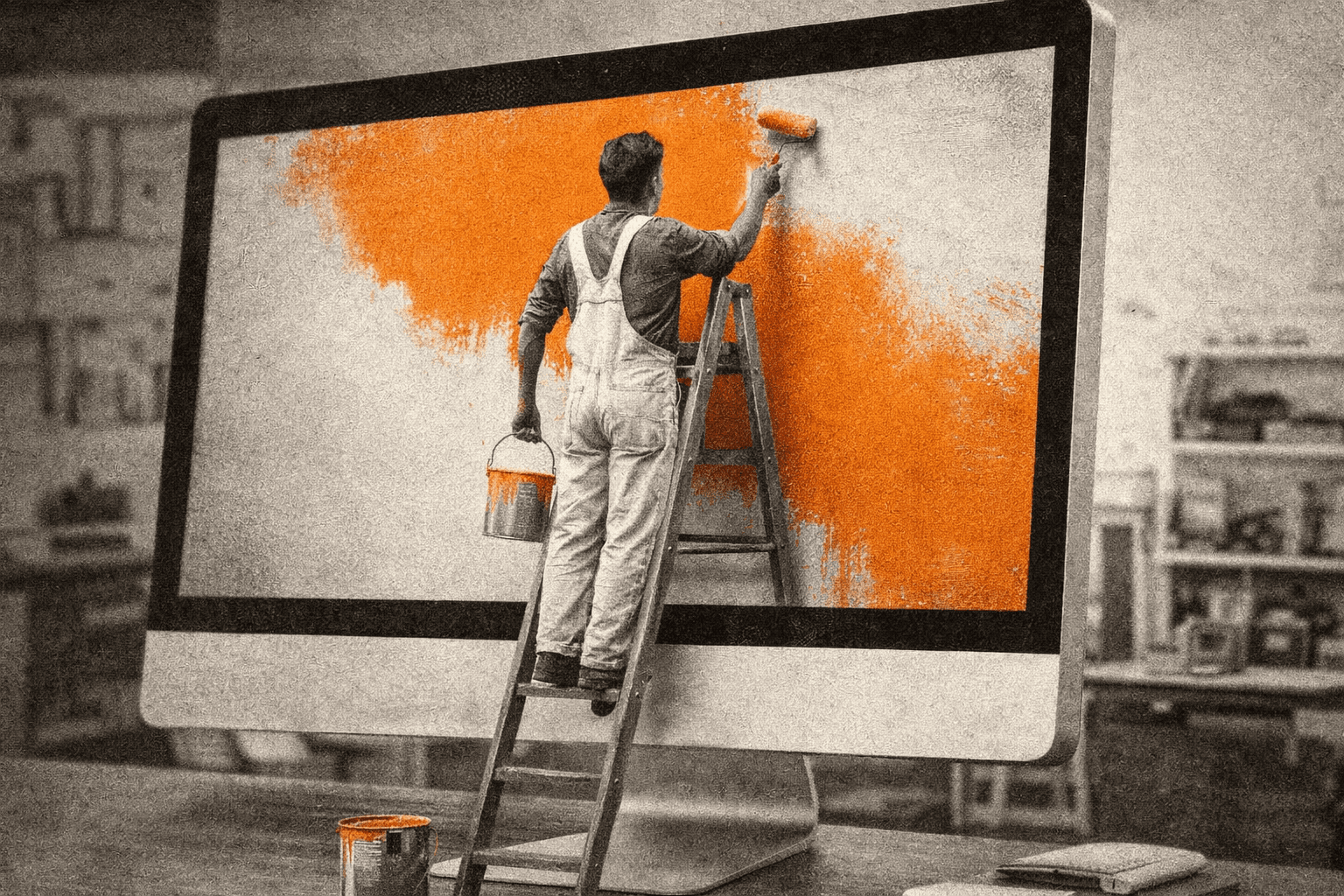
Most redesigns are surface-level. New colors, new fonts, maybe some updated photos and a fresh homepage layout. It looks different. It feels more modern. But the structure underneath? The content? The strategy? Untouched.
That's a reskin. And reskins don't address the true issue.
This is why a lot of businesses find themselves redesigning every two or three years. The site starts feeling stale, so they pay someone to refresh it. But because nothing foundational changed, the same problems come back. Traffic doesn't improve. Conversions stay flat. The site still doesn't reflect how the business has evolved.
A real redesign goes deeper. It treats the project as an opportunity to rethink the whole thing, not just repaint it.
What Should Happen First
Before anyone opens a design tool, there should be a discovery phase. This is where you figure out what the site needs to do.
Who are you trying to reach? What do you want them to do when they get there? What's working on the current site? What isn't? Where are people dropping off? What questions do visitors have that the site isn't answering?
This isn't busy work. It's the foundation. Skip it and you're designing blind.
A good discovery process also looks at your competitors. Not to copy them, but to understand what your audience is used to seeing. What expectations exist. Where you can stand out.
The answers you get here shape everything that comes after. Structure, content, design, functionality. All of it flows from strategy.
Information Architecture
Information architecture is a fancy term for how your site is organized. The pages, the navigation, the user flow. Where people land, where they go next, where they're supposed to end up.
This is the backbone of the site. Get it wrong and no amount of good design fixes it.
A lot of sites have navigation that makes sense to the business owner but confuses visitors. Pages are organized by internal logic instead of how people actually look for information. Important content gets buried three clicks deep. Calls to action are scattered or missing entirely.
A redesign is the time to fix this. Map out the user journey. Figure out what pages you actually need and what you can cut. Make sure the structure guides people toward the actions that matter.
This work isn't glamorous, but it's where a lot of redesigns succeed or fail.
Content Before Design
Here's something that trips up a lot of projects: design should serve the content, not the other way around.
If you're designing pages before you know what goes on them, you're guessing. You end up with beautiful layouts that don't fit the messaging. Or placeholder text that never gets replaced. Or sections that made sense in the mockup but don't work once real content goes in.
The better approach is to figure out content first. What are you saying on each page? What's the hierarchy of information? What do people need to know, and in what order?
This doesn't mean every word needs to be finalized before design starts. But the substance should be there. Headlines, key messages, calls to action. Enough to design around reality instead of assumptions.
Content is also where a lot of the SEO value lives. If your redesign doesn't address the words on the page, you're leaving a lot on the table.
Integrations and Systems
Your website doesn't exist in a vacuum. It should connect to the tools you actually use to run your business.
CRM. Scheduling software. Email marketing. Payment processing. Lead forms. Analytics.
A redesign is the right time to think through these connections. What's your site supposed to do when someone fills out a contact form? Where does that information go? How do you follow up?
Too many sites treat these things as afterthoughts. The form submits to an email inbox that gets checked once a week. The calendar link goes to a generic scheduling page that isn't connected to anything. Data lives in five different places and none of them talk to each other.
Integrations done right make your site work harder. They turn a digital brochure into an actual business tool.
Launch Isn't the Finish Line
A lot of people think launch day is the end of the project. It's not. It's the beginning of a new phase.
There's technical work that happens at launch. SEO migration, so you don't lose the search rankings you've built. Redirects from old URLs to new ones. Testing across devices and browsers. Fixing the things that only show up once real people start using the site.
Then there's everything that comes after.
A website that sits untouched after launch starts aging the day it goes live. Content gets stale. Blog posts stop. The "latest news" section shows something from two years ago. Search engines notice.
The best-performing sites are the ones that get regular attention. Fresh content. Updated information. Ongoing improvements based on what the data shows.
A redesign should include a plan for this. Who's responsible for updates? How often? What does ongoing maintenance look like?
If nobody's thought about this, the shiny new site will be in the same spot three years from now.
The Difference Between Investment and Expense
A reskin is an expense. You pay money, you get a different-looking site, and that's about it.
A real redesign is an investment. You're building something that works harder for your business. Something that reflects your strategy, connects to your systems, and keeps working long after launch.
The difference isn't just budget. It's approach.
Before you start your next redesign, make sure you know which one you're buying.

What Goes Into a Website Redesign
5 min
You're thinking about a redesign. Maybe your site looks dated. Maybe it's not converting. Maybe you're just embarrassed to send people there.
Before you hire someone to make it look better, it's worth understanding what a redesign should actually involve. Because most of them don't do much for the business. And there's a reason for that.
The Reskin Problem
Most redesigns are surface-level. New colors, new fonts, maybe some updated photos and a fresh homepage layout. It looks different. It feels more modern. But the structure underneath? The content? The strategy? Untouched.
That's a reskin. And reskins don't address the true issue.
This is why a lot of businesses find themselves redesigning every two or three years. The site starts feeling stale, so they pay someone to refresh it. But because nothing foundational changed, the same problems come back. Traffic doesn't improve. Conversions stay flat. The site still doesn't reflect how the business has evolved.
A real redesign goes deeper. It treats the project as an opportunity to rethink the whole thing, not just repaint it.
What Should Happen First
Before anyone opens a design tool, there should be a discovery phase. This is where you figure out what the site needs to do.
Who are you trying to reach? What do you want them to do when they get there? What's working on the current site? What isn't? Where are people dropping off? What questions do visitors have that the site isn't answering?
This isn't busy work. It's the foundation. Skip it and you're designing blind.
A good discovery process also looks at your competitors. Not to copy them, but to understand what your audience is used to seeing. What expectations exist. Where you can stand out.
The answers you get here shape everything that comes after. Structure, content, design, functionality. All of it flows from strategy.
Information Architecture
Information architecture is a fancy term for how your site is organized. The pages, the navigation, the user flow. Where people land, where they go next, where they're supposed to end up.
This is the backbone of the site. Get it wrong and no amount of good design fixes it.
A lot of sites have navigation that makes sense to the business owner but confuses visitors. Pages are organized by internal logic instead of how people actually look for information. Important content gets buried three clicks deep. Calls to action are scattered or missing entirely.
A redesign is the time to fix this. Map out the user journey. Figure out what pages you actually need and what you can cut. Make sure the structure guides people toward the actions that matter.
This work isn't glamorous, but it's where a lot of redesigns succeed or fail.
Content Before Design
Here's something that trips up a lot of projects: design should serve the content, not the other way around.
If you're designing pages before you know what goes on them, you're guessing. You end up with beautiful layouts that don't fit the messaging. Or placeholder text that never gets replaced. Or sections that made sense in the mockup but don't work once real content goes in.
The better approach is to figure out content first. What are you saying on each page? What's the hierarchy of information? What do people need to know, and in what order?
This doesn't mean every word needs to be finalized before design starts. But the substance should be there. Headlines, key messages, calls to action. Enough to design around reality instead of assumptions.
Content is also where a lot of the SEO value lives. If your redesign doesn't address the words on the page, you're leaving a lot on the table.
Integrations and Systems
Your website doesn't exist in a vacuum. It should connect to the tools you actually use to run your business.
CRM. Scheduling software. Email marketing. Payment processing. Lead forms. Analytics.
A redesign is the right time to think through these connections. What's your site supposed to do when someone fills out a contact form? Where does that information go? How do you follow up?
Too many sites treat these things as afterthoughts. The form submits to an email inbox that gets checked once a week. The calendar link goes to a generic scheduling page that isn't connected to anything. Data lives in five different places and none of them talk to each other.
Integrations done right make your site work harder. They turn a digital brochure into an actual business tool.
Launch Isn't the Finish Line
A lot of people think launch day is the end of the project. It's not. It's the beginning of a new phase.
There's technical work that happens at launch. SEO migration, so you don't lose the search rankings you've built. Redirects from old URLs to new ones. Testing across devices and browsers. Fixing the things that only show up once real people start using the site.
Then there's everything that comes after.
A website that sits untouched after launch starts aging the day it goes live. Content gets stale. Blog posts stop. The "latest news" section shows something from two years ago. Search engines notice.
The best-performing sites are the ones that get regular attention. Fresh content. Updated information. Ongoing improvements based on what the data shows.
A redesign should include a plan for this. Who's responsible for updates? How often? What does ongoing maintenance look like?
If nobody's thought about this, the shiny new site will be in the same spot three years from now.
The Difference Between Investment and Expense
A reskin is an expense. You pay money, you get a different-looking site, and that's about it.
A real redesign is an investment. You're building something that works harder for your business. Something that reflects your strategy, connects to your systems, and keeps working long after launch.
The difference isn't just budget. It's approach.
Before you start your next redesign, make sure you know which one you're buying.